Black Mold Removal in Mid-City, CA
Black mold removal in Mid-City starts with the affected materials and the water problem. Ask what your cleanup scope includes before work begins.
- Assess the affected area
- Containment and HEPA filtration
- Separate cleanup from repairs
Black Mold Cleanup in Los Angeles County: What Is Included
Make clear how your cleanup scope divides testing from removal and repairs.
Ask which rooms and materials the assessment covers. A dark patch alone does not define how much material needs removal.
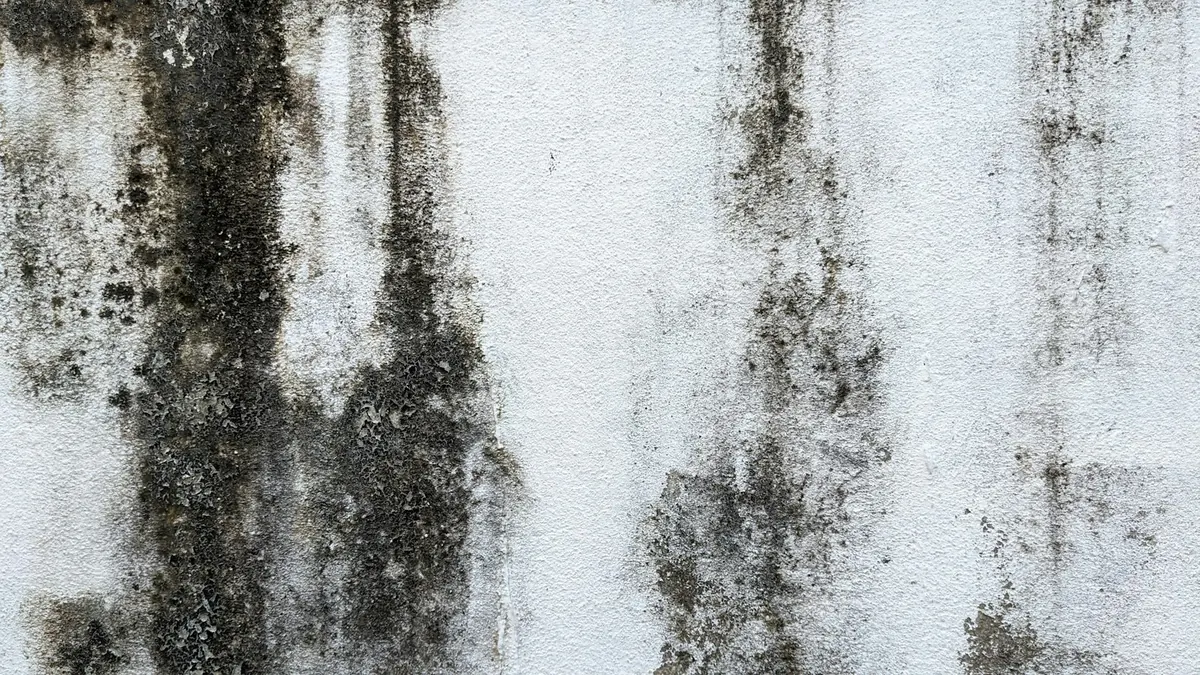
CDC guidance explains that color alone does not establish species or risk. Stachybotrys chartarum is one mold type associated with the term black mold. Lab identification requires analysis, not a photograph.
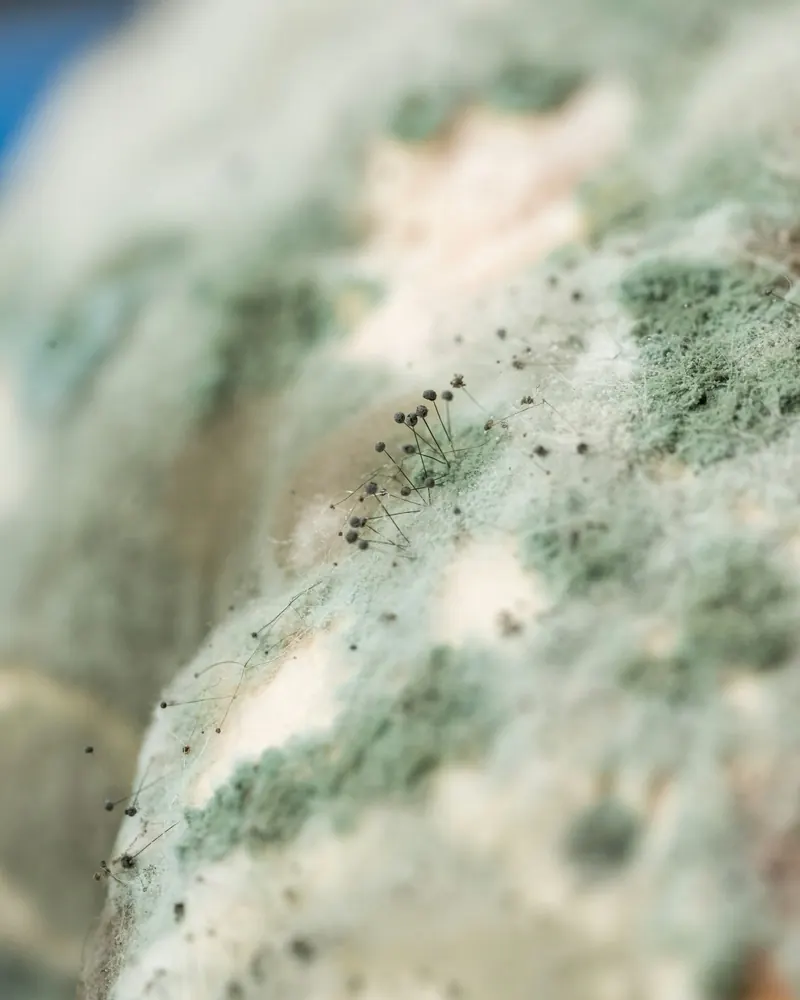
Cladosporium, Aspergillus and Penicillium appear on the CDC list of common indoor molds. These labels identify molds without ranking their danger. A species name does not determine your repair scope. Before you order species testing, ask what to expect during an assessment.
- Visible growth and affected area
- Moisture readings and inspection findings
- Cleaning and disposal boundaries
- Black mold identification only when it informs a decision
Black Mold Cleanup in Mid-City, CA: Choosing Help
Experience With Black Mold Cleanup
Ask about comparable materials and building access, and request references.
Scope Changes
Obtain a written scope of work; agree how to record and authorize additional tasks if you uncover more damage.
Responsibility for Each Task
Clarify who coordinates the removal crew and plumber alongside the assessor and reconstruction work.
Progress Updates
Decide who your contact will be and how to get updates during room access restrictions.
Deciding When to Assess Black Mold in Mid-City, CA
Tell the person taking your call where the mold is growing.
Black Mold on a Ceiling
Say if stains appear after rain or after someone uses an upstairs bathroom. That information guides checks for moisture.
Black Mold After Water Damage
EPA guidance for preventing mold growth is to dry items and areas affected by water within 24 to 48 hours.
Black Mold That Returns
Describe repairs and cleaning already attempted. Reappearance warrants checking whether dampness remains.
Black Mold on Drywall and Growth Behind Cabinets
Mention water-damaged drywall and blocked access so the inspection can include concealed surfaces.
Before a Cleanup Visit in Los Angeles County
While preparing, do not disturb moldy material or open walls.
Call (844) 352-3560- Stop a leak safely. Stay away from wet electrical equipment. Reaching a shutoff is no reason to enter wet areas.
- Limit access. Keep people and pets away from the affected area.
- Leave growth undisturbed. Avoid scraping, dry brushing or moving moldy items through your home.
- Check HVAC involvement. EPA warns that running HVAC equipment with suspected mold contamination could spread mold, so avoid using the equipment.
- Describe access limits. Flag furniture that blocks inspection access, along with rooms that are locked or occupied.
Your Guide to Black Mold Removal Cost in Mid-City, CA
Removal pricing is separate from inspection in these national guides. The work you need determines applicable charges. These ranges do not quote your job.
Black mold (Stachybotrys chartarum), average removal
$800 to $7,000 per jobSource: Fixr, Mold Remediation Cost (checked 2026-10-23)Black mold, average removal
$800 to $7,000 per jobSource: Bob Vila, Mold Remediation Cost (cites Angi and HomeAdvisor) (checked 2026-10-23)Black mold inspection
$600 to $800 per inspectionSource: Fixr, Mold Inspection Cost (checked 2026-10-23)What Influences Your Cleanup Cost
- Access behind walls
- Testing before or after cleanup
- Affected area
- Materials removed
- Drying equipment
- Containment and protective equipment
Cost Guides for National Context, Not a Quote
These ranges come from published national cost guides, not from a site visit. An on-site assessment determines the price for your property, and you should receive an explanation before the work begins.
Ask about cost: (844) 352-3560Black Mold Cleanup in California: Planning for Payment
Check with your insurer about authorization for each part of the planned work.
Property Disclosures
California's Toxic Mold Protection Act includes a landlord written-disclosure section (Health and Safety Code 26147). By its own wording it applies only after the state adopts mold exposure standards, and the state health department has said it could not set them.
Insurance Coverage and Disposal
Check if damaged belongings require an adjuster inspection ahead of disposal.
Separate Charges
Request individual entries in the scope for rebuilding, moisture repair, testing and removal.
Rental Responsibilities
Under California's housing law, visible mold found by a health officer or code enforcement officer can make a rental substandard. Renters can contact their local health or code enforcement department to ask for an inspection.
How Black Mold Remediation Works Across Greater Los Angeles
The removal procedure and scope of work are set out in your remediation protocol.
Assess Black Mold and Moisture
Assess affected rooms. A thermal imaging camera may help direct checks for dampness without identifying mold.
Set Up Containment
Negative air pressure and a poly sheeting containment barrier help keep dust and mold spores from spreading.
Remove Unsalvageable Material
Your cleanup crew wears protective equipment while bagging affected materials along a controlled route for waste removal.
Surface Cleaning
The assessed method may include a HEPA vacuum and damp wiping. A HEPA air scrubber is an air filtration device for airborne particles.
Dry and Correct Moisture
Leaving the water problem unresolved allows mold to return. Before rebuilding, moisture readings monitor drying progress.
Final Cleaning and Clearance Testing
Before removing containment, you can have an independent assessor conduct post-remediation verification. Agree whether the check includes air sampling.

Discuss Black Mold Removal in Mid-City
Call at any time. Your call reaches a black mold removal specialist who hears your concerns and explains the process ahead.
Homeowner Concerns During Black Mold Cleanup in Greater Los Angeles
Discuss exposure concerns and conditions that change the cleanup plan.
Painting Over Growth
EPA advises cleaning mold and drying surfaces before painting. You cannot replace removal with painting.
Sensitivity to Mold
CDC identifies greater risk for people whose immune systems are weak or who have asthma or lung disease. Some people experience allergy symptoms or asthma symptoms triggered by mold.
Contaminated Water
For sewage involvement, seek a professional familiar with contaminated water, as EPA advises.
Can you clean it yourself? EPA says areas under about 10 square feet can often be cleaned by the homeowner. Larger areas, extensive water damage and HVAC involvement call for professional assessment.
Materials Assessed During Black Mold Cleanup in Los Angeles County
Whether you can keep a material depends on its porosity and condition. Porous wood may remain if sound enough to clean and dry.

Non-Porous Surfaces
- Metal and glass can sometimes be cleaned
- Glazed tile may remain
- Check backing separately
Porous Materials in the Building
- Wood framing in sound condition may allow cleaning and drying
- You may need to remove moldy paper-faced drywall
- Disposal may be necessary for ceiling tile, carpet and insulation
Belongings
- Assess fabrics individually
- Separate salvage from disposal
- Agree before discarding personal items
Black Mold Removal in Los Angeles County: What Determines the Time
Clarify which incomplete step your next repair or visit depends on.
- Access and removal: An assessed opening may reveal concealed growth that changes the area requiring removal.
- Drying equipment and moisture control: You may have to wait to close walls or ceilings because of remaining dampness and unrepaired leaks. Ask what readings will confirm readiness.
- Verification and handoff: Assessor scheduling and any required laboratory results affect when rebuilding can begin.
Musty Odors Following Mold Cleanup in Mid-City
Tell your inspector where a lingering musty odor occurs. Check whether nearby cavities and materials still holding moisture were inspected.
Keep your humidity under 60 percent, with 30 to 50 percent as the ideal range recommended by EPA. Dehumidifiers help manage moisture; leaks still need repair.

Scope and Repair Planning
Use the full black mold removal guide to prepare questions about the assessment, scope and next steps for your property.
Read the black mold removal guidePlanning Black Mold Removal in Mid-City
Your property condition cannot be inferred from housing figures that describe the surrounding area. Base your plans for records, access and moisture repairs on assessment results.
Census ACS 2024 5-year (tables B01003, B25003, B25035, B09021 and B25024). Area estimates do not establish conditions at an individual property.
Within Mid-City, even adjoining properties can manage water differently, so inspection should focus on the specific roof, pipe, drainage point, or humidity problem.
Dry water-damaged areas and items within 24 to 48 hours to prevent mold growth, and remove porous material when it cannot be fully cleaned and dried.
Local Black Mold Removal Information for Mid-City
You can ask about mold cleanup in nearby communities and ZIP codes during the call.
Black Mold Removal in Locations Near Mid-City
ZIP codes
Common Questions About Black Mold Removal in Mid-City
What should I ask about black mold insurance in California?
Ask your insurer about the recognized cause of loss, applicable mold sublimits or deductibles, and inclusion of testing or temporary accommodation. Request an explanation of any excluded work. A contractor opinion on coverage is not insurer approval; do not presume all your invoices qualify for reimbursement.
Is black mold testing necessary before I arrange removal?
According to EPA, visible mold growth usually means you do not need testing first. Ask which choice would change with a mold sample before spending money on identification. Sampling answers a defined question about collected material; an inspection determines the affected area and conditions involving moisture. Neither option includes removing damaged material.
What should a renter do about dark growth?
Tell your landlord or property manager where growth appeared, when you discovered growth and about any active leak. Request inspection, with access arrangements agreed upon. Ask who authorizes opening walls and who will update you on repairs. Before arranging demolition yourself, clarify responsibility using the local tenant guidance linked on this page.
What records do I need to save after remediation?
Store completion reports, moisture readings, disposal decisions, approved changes, the agreed scope and dated photographs in one place. Add any laboratory findings with their sample locations, plus leak-repair invoices. Ask for photographs of exposed cavities before they are closed so you have a record of areas that will no longer be visible.
During cleanup, can I keep living in my Mid-City home?
Ask how the work zone affects sleeping areas, bathrooms, exits and shared air circulation. Discuss your need for temporary accommodation and access to essential rooms without passing through containment. A small patch you can see is insufficient to determine occupancy; ask your contractor to assess the layout and work scope.
Will the price for cleanup also cover rebuilding?
Get the scope of work broken into items before you accept. Removal and cleaning may exclude replacement of cabinets, drywall, paint or insulation. Find out when replacement work can start and who takes the material measurements. Also clarify any separate charges for waste disposal, belongings and final testing versus inclusion in the price.
Questions About Black Mold Removal in Los Angeles County?
You can get straightforward, reassuring guidance on black mold removal by calling 24 hours a day.